
In 1974, engineers made the first voice call. Later, in 1982, the first concept of the Internet of Things (IoT) emerged. Since then, the development of VoIP has followed a well-documented path. However, it is still worth highlighting several key historical moments in the evolution of the voice industry and explaining why the role of the VoIP provider has become increasingly important.
Although these two industries emerged relatively close to each other, with roughly a decade between their origins, their development paths differed significantly. Over time, VoIP evolved rapidly and embedded itself into everyday life. Today, VoIP features support many services we rely on daily, from business communications to customer support systems.
VoIP, SIP, and IP technologies now form the foundation of many digital solutions we use without even noticing. In fact, they power a wide range of modern platforms, enabling voice, video, messaging, and real-time data exchange across the internet.
Enter the Era of IoT
Now, everything is changing at an even faster pace, and we have clearly entered the era of IoT.
The Internet of Things (IoT) refers to a system of interconnected computing devices, mechanical and digital machines, objects, animals, or people. These entities receive unique identifiers (UIDs) and gain the ability to transfer data over a network without requiring direct human-to-human or human-to-computer interaction.
For example, an IoT “thing” can be a person with a heart-monitor implant, a farm animal equipped with a biochip transponder, or a vehicle with built-in sensors that alert drivers when tire pressure drops. In addition, many everyday objects now receive Internet Protocol (IP) addresses, allowing them to collect and transmit data automatically.
As a result, organizations across multiple industries increasingly adopt IoT solutions. They use these technologies to operate more efficiently, gain deeper customer insights, enhance customer service, improve decision-making, and ultimately increase business value.
Why IoT Matters Today
To better understand the impact of IoT, it is important to explore several core aspects of this technology. Below are eight key points that highlight why IoT plays such a crucial role in modern digital ecosystems:
- How IoT works
First, IoT systems rely on sensors, connectivity, data processing, and user interfaces to collect and exchange information in real time. - Why IoT is important
IoT enables automation and real-time monitoring, which significantly improves efficiency and responsiveness across industries. - IoT benefits for organizations
In particular, businesses benefit from cost reduction, predictive maintenance, improved productivity, and better customer experiences. - Pros and cons of IoT
While IoT offers scalability and automation, it also introduces challenges such as security risks and data management complexity. - IoT standards and frameworks
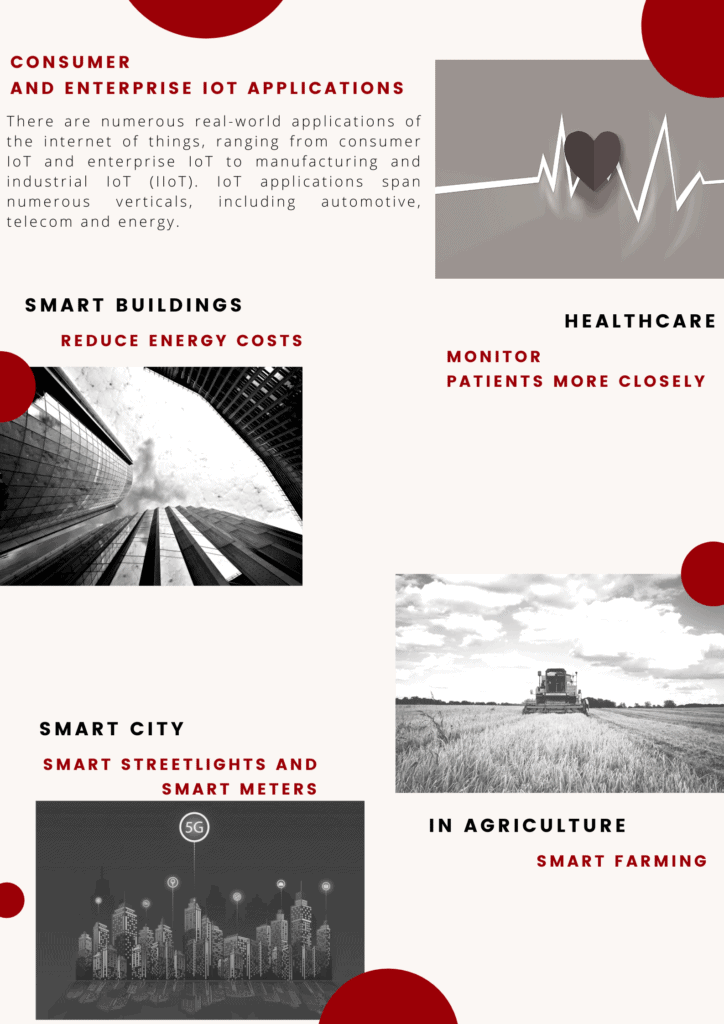
To ensure interoperability, IoT relies on established standards and frameworks that define communication protocols and system architecture. - Consumer and enterprise IoT applications
From smart homes and wearables to industrial automation and smart cities, IoT applications continue to expand rapidly. - IoT security and privacy issues
At the same time, protecting data and securing connected devices remains a major concern for both consumers and enterprises. - The history of IoT
Finally, understanding the evolution of IoT helps explain how today’s connected ecosystems emerged and where they are headed next.


In conclusion, while VoIP laid the groundwork for modern digital communication, IoT now represents the next major shift. Together, these technologies continue to reshape how people, devices, and systems communicate in an increasingly connected world.
How 2026 Will Transform Wireless Connectivity Forever
The telecom landscape is evolving faster than ever. From AI-native networks to satellite-cellular convergence, 2026 marks a turning point where…

CPaaS 2025: Top Trends, Innovations, and What’s Next
In an era where digital-first communication is no longer optional but essential, Communications Platform as a Service (CPaaS) has become…
Why Human-First Communication Will Define the Next Decade of Business
In an age of automation, AI, and hyper-connectivity, businesses are realizing something vital: customers crave authenticity. The companies that thrive…