

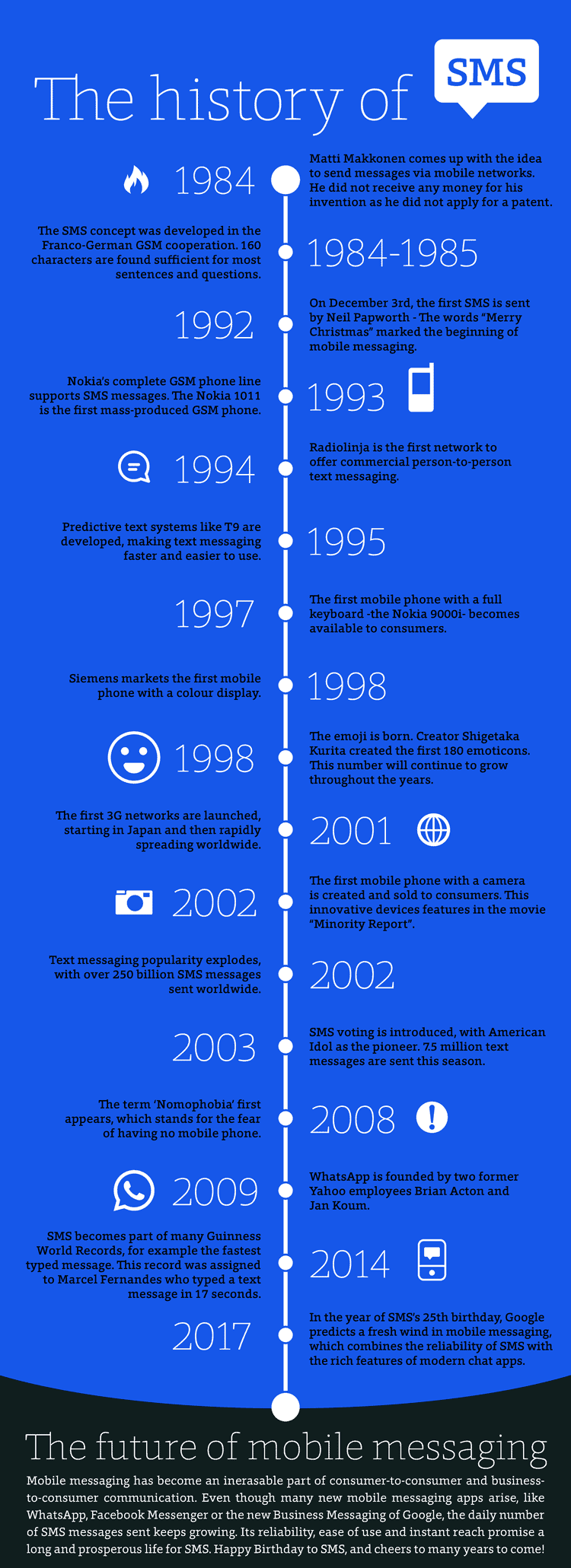
The First SMS: A Modest Beginning That Changed Everything – On December 3rd, 1992, the first SMS message was sent over the GSM network. The message simply read: “Merry Christmas.” Although modest, this moment changed technology and social norms forever.
Few people at the time could predict that this short message would shape how the world communicates for decades.
Early Challenges to SMS Adoption
SMS adoption took time. Several factors slowed its early growth.
First, cellular network coverage remained limited in 1992. Many regions lacked reliable connectivity. Second, mobile phone design focused on dialing, not typing. Keypads made text input slow and inconvenient.
Despite these obstacles, SMS began gaining traction in certain regions. Europe and Asia, in particular, embraced text messaging early. Younger users adopted SMS for fast, short communication.
To overcome the 160-character limit, users developed abbreviated language. These shortcuts allowed them to say more without sending extra messages and paying additional fees.
SMS Before Social Networks
Before social networks existed, people already used SMS to broadcast personal news. Families shared birth announcements, holiday greetings, and new phone numbers via text.
As a result, texting became part of everyday life. It served personal, family, and business communication needs. SMS no longer felt experimental. It felt essential.
Pricing Models and Rapid Growth
In the early days, SMS pricing limited its use. Users paid per message, which discouraged long conversations. Still, many young users quickly drained their prepaid balances exchanging texts.
Growth accelerated when operators introduced bundled messaging plans. These plans removed cost anxiety and encouraged frequent use. Once pricing barriers dropped, SMS adoption surged.
Smartphones and the Messaging Explosion
The arrival of smartphones dramatically accelerated messaging adoption.
In the United States alone, monthly SMS volume jumped from 12.5 billion messages in 2006 to 45 billion messages just one year later. By June 2017, users exchanged 781 billion messages nationwide.
Messaging became effortless. Touchscreens made typing easier, and SMS stood ready to benefit from this shift. Unlike new platforms, SMS required no downloads, no accounts, and no learning curve.
Why SMS Survived Every Disruption
New messaging apps entered the market. Social platforms gained massive popularity. Yet SMS remained relevant.
SMS worked on every phone. It functioned without internet access. Businesses trusted it for reliability and reach. These strengths allowed SMS to coexist with newer technologies rather than disappear.
What Comes Next for SMS?
After more than 27 years, the future of SMS raises new questions.
RCS has emerged as the next-generation mobile messaging standard. It offers richer media, branding, and interactivity. Even so, SMS will continue operating for several more years.
However, industry experts speculate about a turning point. If 5G standards make RCS mandatory, operators may eventually phase out SMS.
SMS: Legacy, Reliability, and the Road Ahead
SMS has already proven one thing. Longevity matters.
Few technologies survive multiple generations of disruption. SMS did. Its simplicity, universality, and reliability secured its place in communication history.
Whatever comes next, SMS has already earned its legacy—and its influence will continue shaping mobile messaging for years to come.
How 2026 Will Transform Wireless Connectivity Forever
The telecom landscape is evolving faster than ever. From AI-native networks to satellite-cellular convergence, 2026 marks a turning point where…

CPaaS 2025: Top Trends, Innovations, and What’s Next
In an era where digital-first communication is no longer optional but essential, Communications Platform as a Service (CPaaS) has become…
Why Human-First Communication Will Define the Next Decade of Business
In an age of automation, AI, and hyper-connectivity, businesses are realizing something vital: customers crave authenticity. The companies that thrive…